
"eco tips"
49 article(s) found

Rich and balanced taste-Mexican coffee| Coatepec, Huatusco, Chiapas
Professional coffee knowledge exchange More coffee bean information Please pay attention to coffee workshop (Weixin Official Accounts cafe_style) Mexico is located in the northern end of Central America, bordering the United States in the north, the Pacific Ocean in the south and west, the Caribbean Sea in the southeast, Belize and Guatemala, and the Gulf of Mexico in the east. It is the fourth largest coffee producer in the world and the largest organic coffee producer.
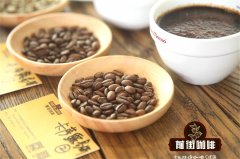
Mexican coffee production and flavor description Mexican coffee hand brewing practices
Professional coffee knowledge exchange More coffee bean information Please pay attention to coffee workshop (Weixin Official Accounts cafe_style)[Foreword] Mexico is located in the northern end of Central America, bordering the United States in the north, the Pacific Ocean in the south and west, the Caribbean Sea in the southeast, Belize and Guatemala in the east, and the Gulf of Mexico in the east. The fourth largest coffee producer in the world, organic coffee
What is the growing environment of coffee beans at Manor Sevanigera in Selva Negra farm, Nicaragua? Niga
Professional coffee knowledge exchange more coffee bean information please pay attention to the coffee workshop (Wechat official account cafe_style) Nicaragua Selva Negra farm Sevanigera manor coffee bean growing environment? The cooking data of Nicaragua Selva Negra? Nicaragua is a famous coffee producing area. Coffee lovers must travel to Matagalpa (M), a major coffee province in Nicaragua.
What are the varieties of Panamanian coffee? Panamanian coffee producing areas
Following Cafe (official Wechat account vdailycom) found that Beautiful Cafe opened a small shop of its own-Panama Coffee Coffee is grown in the western part of the country, near Costa Rica and the Pacific Ocean. The Boquet district of Chiriqui province is the most famous for its coffee, and Vocan,Santa Clara is also famous.

Mexican coffee with rich and balanced taste Mexican coffee characteristics Taste description
Professional coffee knowledge exchange More coffee bean information Please pay attention to coffee workshop (Weixin Official Accounts cafe_style)[Foreword] Mexico is located in the northern end of Central America, bordering the United States in the north, the Pacific Ocean in the south and west, the Caribbean Sea in the southeast, Belize and Guatemala in the east, and the Gulf of Mexico in the east. The fourth largest coffee producer in the world, organic coffee
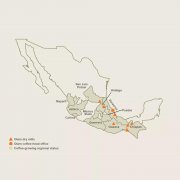
Starbucks 9th FSC Chiapas, Mexico| Mexico Coffee Region Introduction
Mexico is located at the northern end of Central America, bordering the United States in the north, the Pacific Ocean in the south and west, the Caribbean Sea in the southeast, Belize and Guatemala, and the Gulf of Mexico in the east. It is the fourth largest coffee producer in the world and a major organic coffee producer with an annual output of about 5 million bags of coffee. Most of its coffee is produced by nearly 100,000 smallholder farmers, who once controlled coffee.
Let's enjoy the coffee producing area of Colombia!
People who like to drink single beans like to drink Colombian coffee very much. Super Colombian coffee has a rich and thick aroma. It does not taste as strong as Brazilian coffee, nor does it have an obvious sour tone like African coffee. But with clear high-quality acidity, high balance, sometimes nutty, memorable, no matter in appearance, quality, Colombian super

A brief introduction to the introduction to Coffee roasting, the complete Book of Coffee self-baking
When the author published the first edition of this book in 1996, roasting coffee beans at home was something that only tireless coffee addicts would do. At that time, roasting coffee beans was a very difficult thing to master, and roasters had to work hard to find a way to roast coffee beans to a moderate brown. Today, individuals still roast coffee beans at home.

The introduction to coffee roasting recommends the complete Book of Coffee self-baking.
When the author published the first edition of this book in 1996, roasting coffee beans at home was something that only tireless coffee addicts would do. At that time, roasting coffee beans was a very difficult thing to master, and roasters had to work hard to find a way to roast coffee beans to a moderate brown. Today, individuals still roast coffee beans at home.